Sonny Cumbie blocked me on X.
Somewhere in those two 3-9 seasons, Louisiana Tech's head coach decided he'd read enough of my opinions. I stayed blocked until his account got hacked, and he never came back to X after that. That's one way to get unblocked.
I wasn't the only one he shut out. In the fall of 2023, someone who covered the team got called out at practice in front of the players and lost his access. If you followed Tech back then, you remember it. I took that one a little personally too.
That was the Cumbie of those years. The record was bad, the criticism was loud, and he treated a lot of people outside the building like the enemy. By July 2025, CBS Sports had him alone on America's hottest seat and wrote that he was running out of rope.
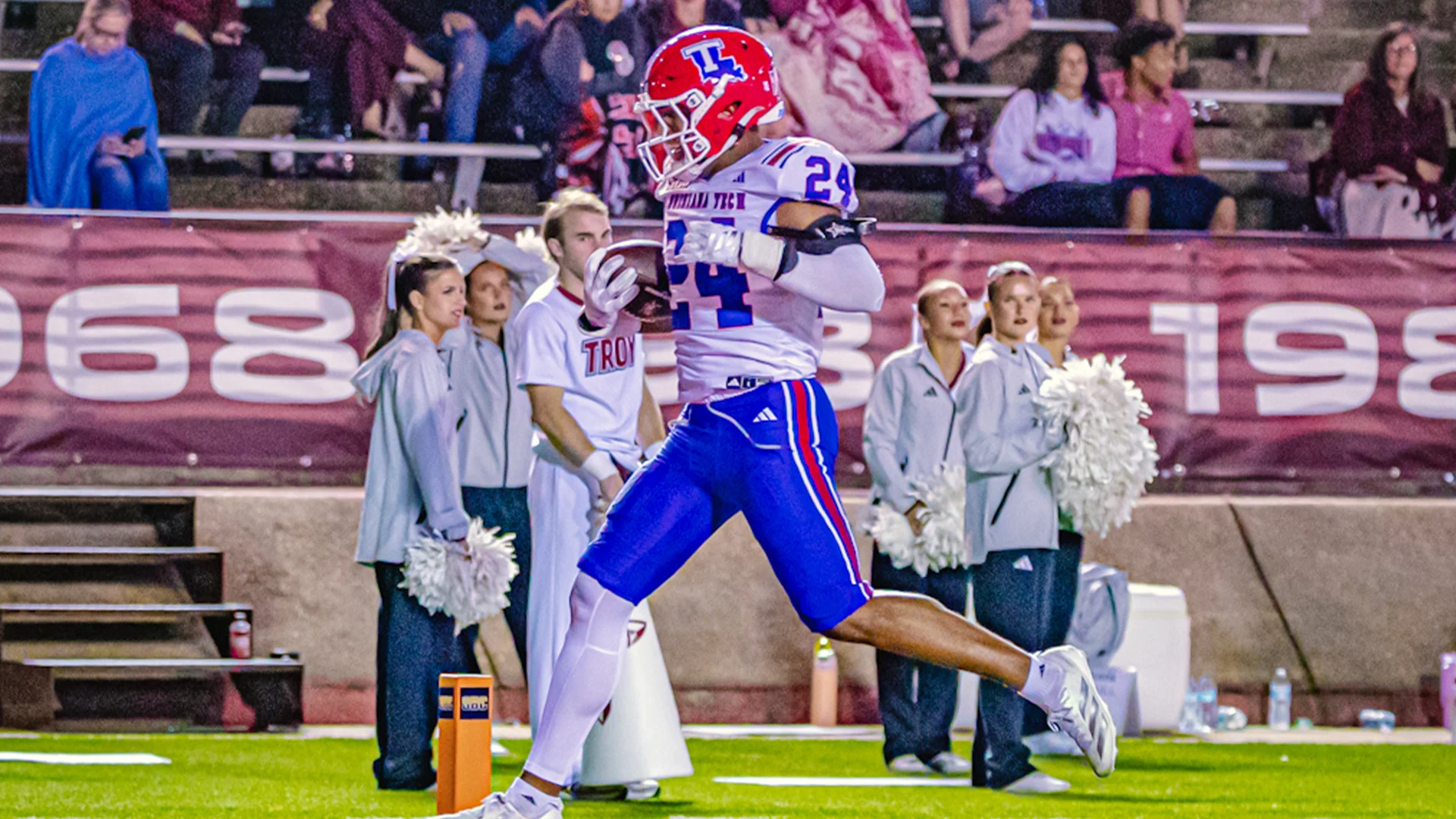
Now Tech is 8-2, 6-0 in the Sun Belt, and West Division champions in its first year in the league. Saturday's 63-31 win over Southern Miss was the seventh straight and sent Tech to its first conference title game since 2016. Cumbie deserves a ton of credit for that, and the way he got here matters more than the scoreboard.
He changed first
The turnaround started when Cumbie quit trying to do everything himself.
On the Win More, Live Better podcast in June, Cumbie told host Zach Brandon about a cornerback, a guy who went on to play six years at Tech, who asked him in a player meeting whether he'd thought about giving up the offense. Cumbie was calling plays, coaching quarterbacks and running a program at the same time, and a player could see it wasn't working. "I wasn't the best version of myself or our players," Cumbie said. In October 2024, he handed off the play sheet.
Plenty of coaches would rather get fired holding the call sheet than give it up because a player suggested it. Cumbie listened, and he's willing to say so on a podcast.
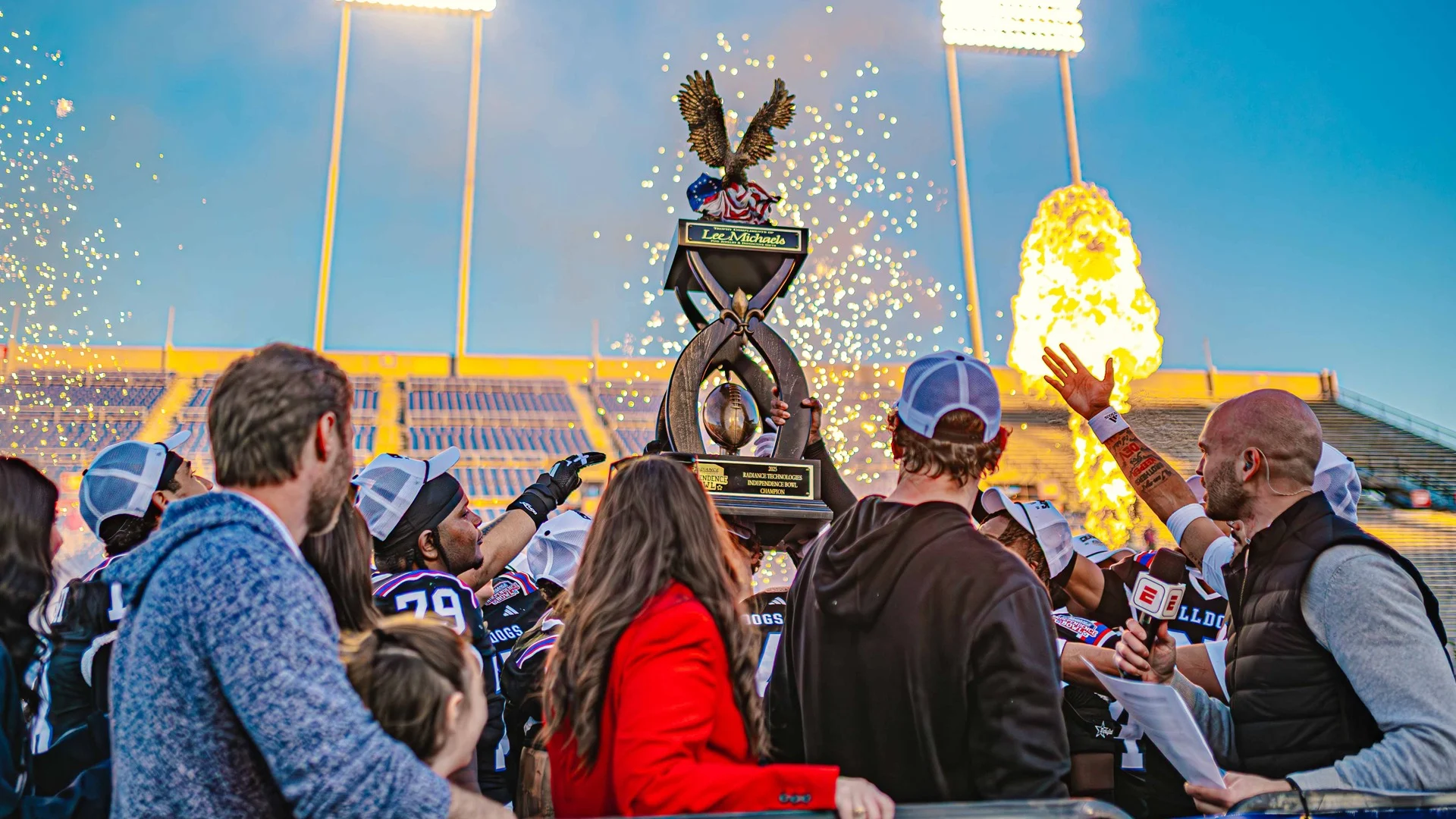
He did the same thing with his paycheck. After last season's 8-5 finish and the comeback win over Coastal Carolina in the Independence Bowl, Cumbie agreed to a restructured contract in February. His salary dropped to $760,000, and $155,000 a year went back into the program, including benefits for players. "In this day and age, some coaches aren't willing to do that," athletic director Ryan Ivey said. "To most of them, it's about self-preservation."
A roster that plays for him
These days Cumbie talks about his job as listening "to the people that I serve." On the podcast he described an exercise where every player and coach brought a "brick" to the team: a hero, a highlight, a hardship, a hometown. Players from very different places found out what they had in common, and Cumbie called it "the most powerful team exercise that I've ever been a part of."
You can hear it in how his players talk about him. After the Southern Miss game, tight end Eli Finley said Cumbie gets all the criticism and negative comments. "He sees and hears them, but that is nothing to him and to us," Finley said. "We go out there and we wear it on our sleeve and we play for him."
Linebacker Jadon Mayfield laid out the climb: "When we come in here at 3-9, to 5-7, and then 8-5, it is a work in progress."
Cumbie gave the credit to the locker room. He pointed to the "continuity and consistency" in the core of this roster and called it "very uncommon" in an era when players can transfer every year. "When you go through storms you are not the same team and the same people on the other side of them," he said.
A coach who once kept a critic out of practice is now the guy holding a locker room together.
Blocking out the noise
I don't hold that block against him the way I did then. When you're 3-9 and every message in your mentions is about your job, shutting the outside out is how you get through the week. Back then he did it the literal way, one account at a time. When the hack came, he walked away from X for good, which is about as complete as blocking out the noise gets.
What changed is what he did with the quiet. He kept his nose to the grindstone, listened to the people inside his building, and let the results answer everybody else. He still hears the criticism, as Finley said. He just doesn't let it run his day, or his team's.
Go home
The line from that podcast I keep thinking about has nothing to do with football.
Cumbie talked about "head coach fatigue" and the old idea that a coach has to work 18 hours a day and sleep five. He's done with that. "At the end of the day, when my brain is done, I'm going home," he said. "And the problems that are here will still be here tomorrow. I'll serve our team better with a fresh mind, being well rested."
I've spent my career in IT, where plenty of us treat the 11 p.m. fix as a badge of honor. An outage can't wait until morning, and nobody in my line of work would tell you it should. Most of what keeps us at our desks late is something else, though. The budget, the project plan and the angry email will all be there tomorrow, and you'll handle them better if you went home when your brain told you it was done. Knowing when to stop takes some humility too. You have to admit you're not at your best.
Arkansas State comes to Joe Aillet on Saturday, then Tech goes to Georgia Southern before the Sun Belt Championship Game. A few years ago Cumbie didn't want to read what people like me had to say about him. He's not on X to see this one, and that's probably for the best. He earned every word anyway.